


Fitness Friday! (May 4)
I’m giving you 3 guesses what day it is today…
… give up?
FRIDAY!
This week were going to go a bit more into the calorie components of a balanced meal. As we discussed before, there are 3 major components that create calories; Protein, Carbohydrates (Carbs), and Fat. I don’t want to confuse you too much, but to be brief, every gram of fat has 9 calories and a gram of carb or protein has 4 calories. We will look into each item to give you a better understanding when identifying a proper balanced meal.
Protein consists of complete and incomplete protein. Complete protein contains all 8 essential amino acids, whereas an incomplete protein does not (pretty simply, no?). A complete protein is most easily found in your animal products (poultry, beef, pork, cheese, milk, eggs, etc.) and fish, but can also be found in soy, buckwheat, chia seeds, quinoa and a few other items. Incomplete protein usually comes from plant foods, beans, etc.
One thing that needs to get out right now… is that protein is not going to make you muscly and no you don’t need to workout to eat protein. I’ve heard this far too many times. YES, as a weight lifter, we NEED protein, but so does everyone else in the world, we just need more.
Here are my rules when it comes to protein:
1. Eat lots, then eat more. Chances are you don’t eat enough and you should be getting 0.5 to 1 gram of protein per pound of bodyweight (i.e. Joe is 200lbs, so he needs 100-200 grams). Protein helps keep you full and has a ton of nutrients. It also helps you stay away from high amounts of carbs by filling up your plate. When eating meats, shoot for grass fed animals, as this will promote your Omega 3 fatty acids (anti-inflammatory = good), have fewer unnatural hormones, and be much lower in fat. Not to mention, why promote the terrible market we’ve built in the animal cruelty and slaughter methods.
2. Stick to lean protein. Try to aim for lean protein (i.e. Chicken, Turkey, Fish, White Pork, etc.). If you follow the grass fed animals advice above, you won’t need to be as concerned when choosing your protein.
No, you don’t need to eat tons of meat, you can also be a vegetarian and get your protein requirements. See my above list or search for more items high in protein that are vegetarian friendly J I just happen to like my meat and find it the easiest way to get in my 200-300 grams per day! (remember, I lift weights 4-5 times a week, so I need loooots of protein, yum!)
Carbs come in various forms and can be very confusing. Basically, your general carb sources are vegetables, fruit, and grains. These come in items such as broccoli, peppers, carrots, zucchini, apples, oranges, rice, potatoes, beans, pasta, flour, etc., each hosting their own benefits. Whole grains are high in fibre and some minerals, while the vegetables and fruit are rich in vitamins, minerals, antioxidants, and also some fibre.
Another thing to consider with carbs is their glycemic index rating. This is the way your body reacts to the various items, namely how much your blood sugar spikes. When you get very serious into dieting, you can start looking into things like the glycemic index, but this is a minor item to consider when first starting.
Many people say ‘CARBS ARE THE ENEMY’… well, I say they’re crazy. Your body NEEDS carbs to function, they are your energy source. Yes, some carbs are bad, and yes, you should watch your intake, but to eliminate them all together is plain stupid. If you stop feeding your body energy, it’s inevitably going to start storing fat.
Here are some simple rules to live by:
1. Don’t listen to their crazy carb talk and NEVER follow a no carb diet. All you’ll do is lose weight fast and relapse, it happens time and time again! I’ve seen this happen to my own family members, cutting so low that when you start back up the weight comes back. Not to mention you have such bad cravings that you end up gorging worse than before.
2. Control your carbs at each meal. Remember what I said before? About a fist size or ¼ plate of carbs. Usually this is around 1 cup. You’re not going to eat every meal like this, but if you abide by it 6/7 days a week, you’re good 86% of the time (that’s an A! woohoo!)
3. If you’re going to eat higher carb, do it earlier in the day. Try to avoid any higher carb meals after 5pm.
4. Eat your whole grain carbs earlier in the day, with your vegetable carbs later in the evening. Your body doesn’t need sustained release carbs (whole grains) to keep your energy levels up at 10pm, so why eat like it does? Stick to lower simple carb items like veggies at night and this will help your metabolism while you sleep.
5. Stay away from sugary refined carbs. Try to eat less ‘white’ products such as white bread or white rice. This has been processed and usually stripped of the nutrients. Also, don’t eat high sugar items (usually dessert items or ‘sauces’), as these will spike your blood sugar and not be beneficial in your weight loss quest.
Last, we have fat. No, fat is also not the enemy. Fat keeps you full. Full is good. Therefore, Fat=Good. How’s that for an analogy? You just need to pick your fats wisely and stay away from inflammatory and those nasty trans fats you hear about.
My best advice here is to stick to the natural animal and food fats with the occasion bit of coconut, olive, avocado, vegetable, etc. oil. Natural animal fats are easy to figure out. Even with your lean meat cuts, you will still have some fat, so don’t worry TOO much about it and use that as your healthy fat source. Again, grass fed animals=higher in Omega 3 fats, which are typically the ones we lack. You can also eat things like peanut butter, which is a great source of poly unsaturated fat, chia seeds, flax seeds, and various nuts.
A good example of fats included in a meal would be a baked chicken breast with some olive oil, steamed veggies and brown rice. Bang, perfect meal.
Now that we have a base of information you can use to identify each calorie group, we can go into further detail as time goes on.
Last, we need a new exercise to do this week, so we’re going to do Russian Twists. These will help strengthen your core and obliques, which help your posture and balance.
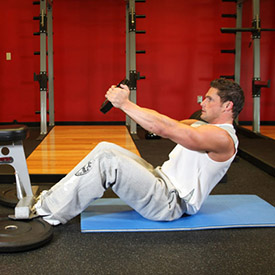
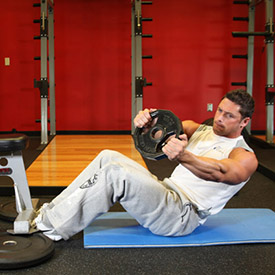
*photos courtesy of bodybuilding.com
1. Sit on the floor with your feet flat on the flood in front of you
2. Lean back so your torso is at a 45 degree angle
3. Hold your arms on your chest and begin to twist to the right
4. Quickly twist back to the left, continue back and forth using your midsection (core)
5. You can stretch your arms out or hold a weight to make this more difficult
6. Vary your twists from small bursts to full right to left twists to activate your core differently
As always, if you have any questions, feel free to email me or shout at me on Twitter.
Signing off,
Marky Mark
 Mark Wilson